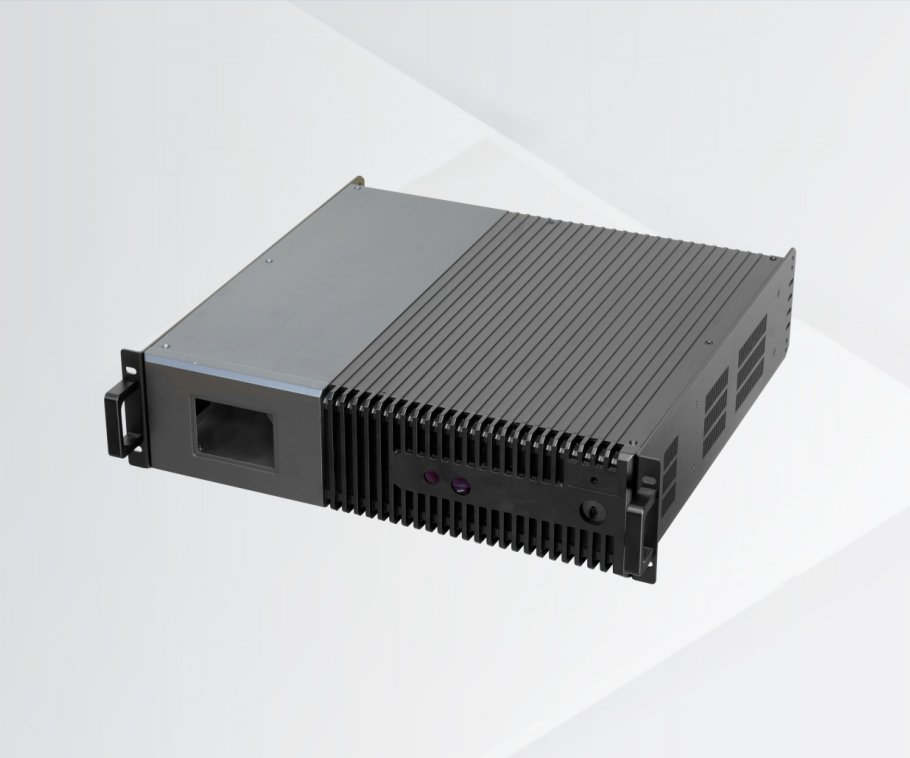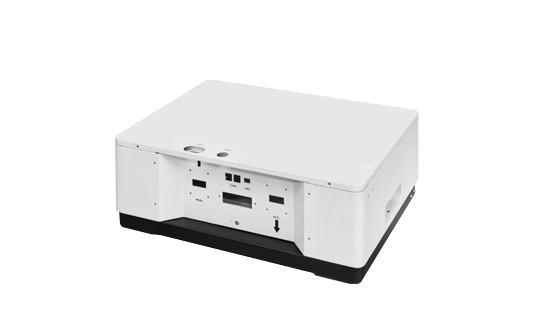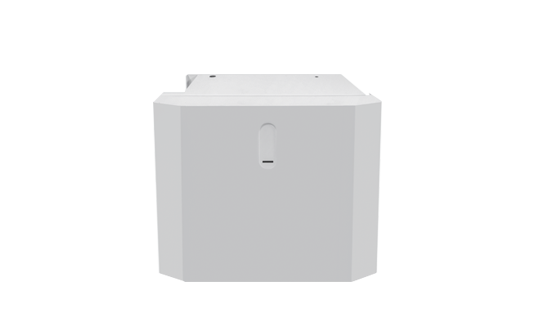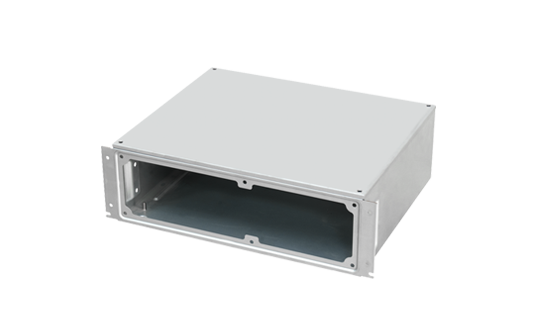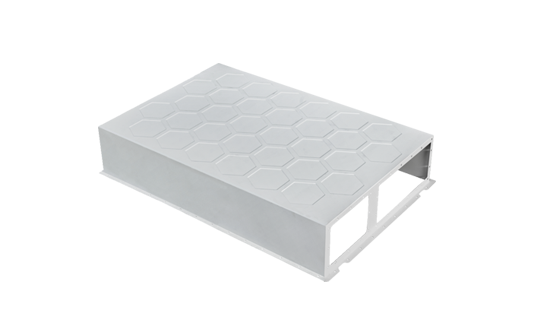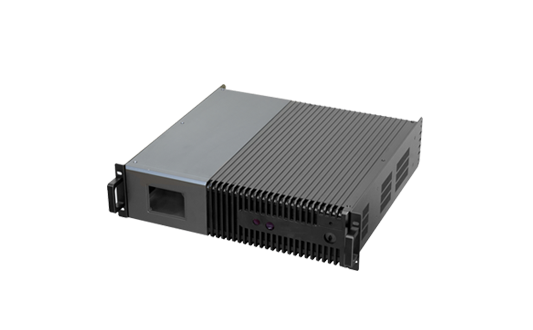
The characteristics of server shells mainly include material selection, structural design, heat dissipation performance, protection level, compatibility and customization, application scenarios, and security.
Material selection
The commonly used materials for server casings include steel, aluminum alloys, and magnesium alloys. Steel materials are sturdy and durable, with good thermal conductivity, but poor corrosion resistance; Aluminum alloy material is lightweight, with good thermal conductivity and corrosion resistance; Magnesium alloy materials are lighter and have excellent thermal conductivity, but their corrosion resistance is poor
Structure Design
The design of server casing usually includes upper and lower cover structures for easy installation and disassembly. Part of the shell supports tool free installation, simplifying the operation process. In addition, there are reasonable openings on the shell for installing power interfaces, Ethernet RJ45 interfaces, reset buttons, communication status indicator lights, etc
Heat dissipation performance
The design of the server casing considers heat dissipation requirements and uses high thermal conductivity shell materials. Some casings are also equipped with heat sinks or fans to further enhance heat dissipation capabilities
protection grade
The shell design of industrial grade serial port servers has a high standard of protection level, such as IEC/EN 61000-4 standard, which is suitable for harsh environments and has functions such as dust prevention, water resistance, and corrosion resistance, ensuring stable operation of equipment in various environments
Compatibility and Customization
The server shell supports customization of multiple sizes and specifications to meet the needs of different customers. Customers can choose suitable shell materials, colors, and sizes based on actual application scenarios
Application scenarios
Server shells are widely used in industries such as industrial automation, power, smart meters, and healthcare, and are suitable for various scenarios where serial devices need to be connected to the network, such as warehousing and logistics, industrial IoT, parking and access control, etc
safety
The shell design considers safety factors, such as supporting redundant power supply for wiring terminals and DC adapters, and adapting to various industrial environment wiring and networking requirements. Equipped with power protection functions, such as positive and negative polarity reverse protection, short circuit quick cut-off, etc., to improve the reliability of equipment power supply